Friday, April 10, 2015

Maths

As a teacher who loves maths and loves to teach maths I thought I would write a simple post about some practices, resources I use after attending an in-service about a maths project my school is going to undertake.

The day did discuss some important values to the project, not only are these important to the project and maths, they are important in all areas of teaching. We were asked share a sentence on what these terms meant to us.

Collaboration - working together, teachers, students, support staff and parents.
Inquiry - students need to be questioning themselves to make learning more relevant and meaningful
Feedback - needs to be timely, personal and relevant
Coaching and Mentoring - needs to involve trust, collaboration
Goal setting - SMART (see below)
Evidence based practice - good practice that has taken place and has results.
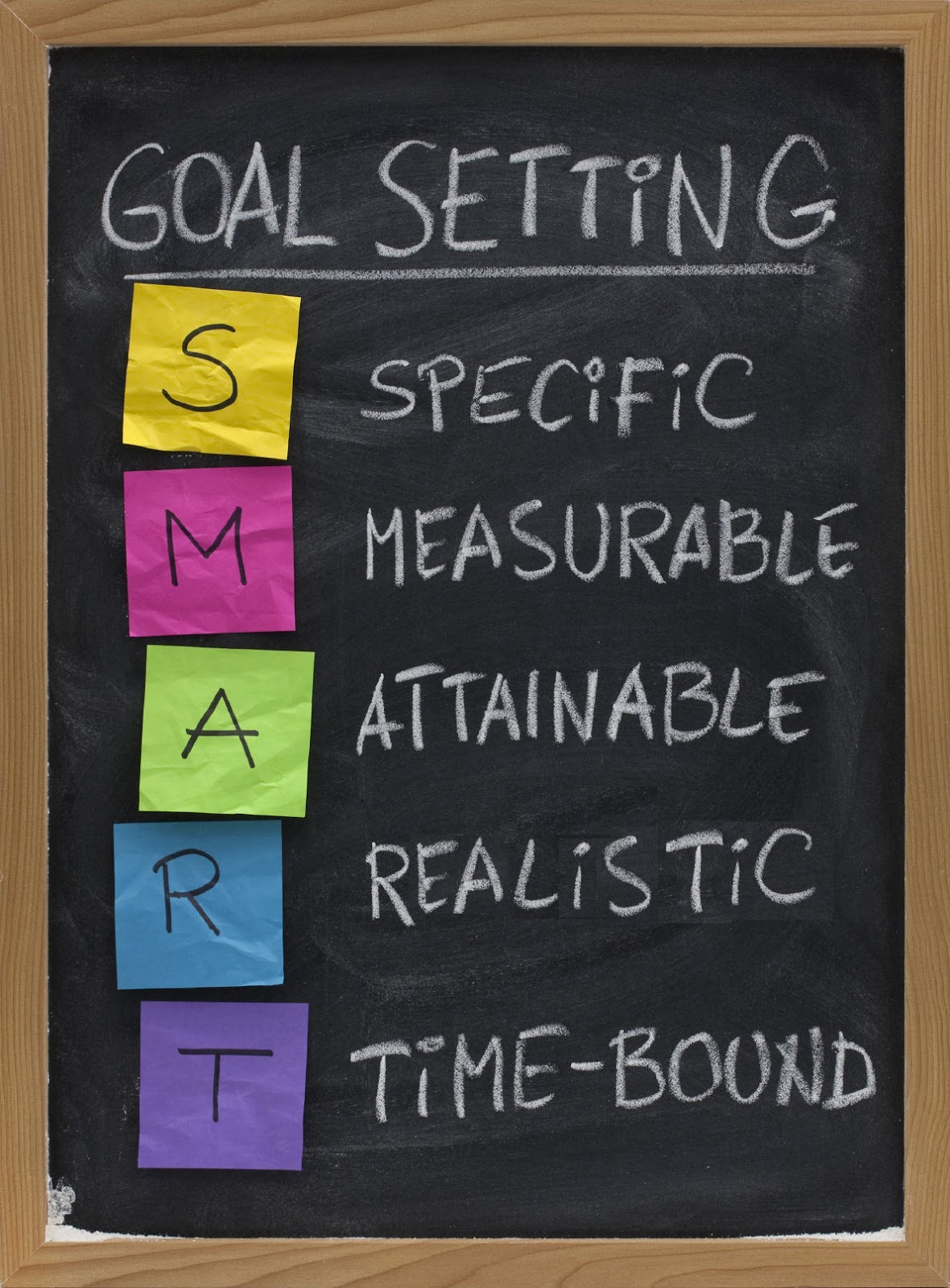
SMARTGoals.jpg

I invite yourself to think of these terms and what your understanding is.

Feedback continued to stick out and how important it for teachers and students. The following links and text was suggested.


We were asked to think and I encourage you to also think:

How often do you ask yourself:
  • How am I going?
  • Where am I going?
  • How do I learn what my students need?

The following is a small list of some sites that I use and my students really enjoy

IXL: Activities that match outcomes and is available in a wide range of countries. Gives explanations when errors are made. Site and App
Matific: a very visual and engaging site that relates outcomes to real life experiences. Site and App
Studyladder: Each student has their own account and teachers can set tasks that link with what is being taught in class. Resources include video explanations, interactive games and printables. Site
Sumdog: A fun interactive game that involves some healthy competition. Site


Tuesday, March 24, 2015

How can you use ClassDojo to enhance your maths lessons?

It was the other day when a student asked me “Miss, how many points till we get our class goal?” I looked up to see that they were on 893 and their goal was 2000. It was then I saw that same student think… “We need 1107” It was then I thought how else could ClassDojo be used for maths lessons.


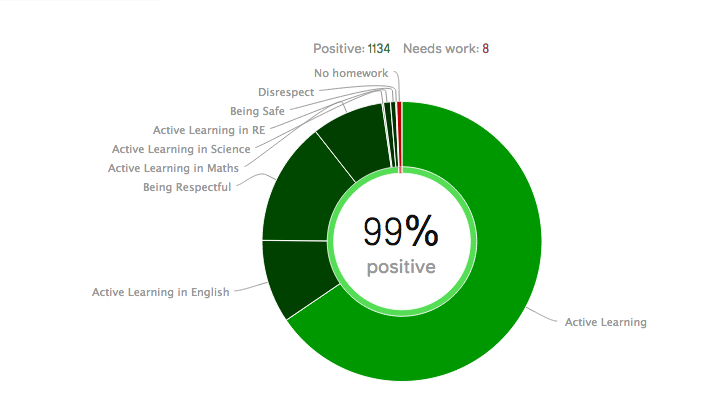
Data - A graph shows how many points have been rewarded for each behaviour. Questions can be asked and observations can be made in order for students to interpret the data.

Screen Shot 2015-03-24 at 8.09.25 pm.png


Representing data in different graphs - Students could see their scores and create a range of graphs to represent their points and the members of their class. From this average, range and median could be observed and then worked out.

Calculating difference till class goal - (like the students who inspired this post did) Each day students can see how far they are till they get their goal.

Calculating average for class goal - if you have a set goal of 2000 points, students can work out how much each student needs to get to equally contribute to the class reward.

Fractions, Percentages and Decimals - they can view the information on the spreadsheet, work out what fraction, decimal and percentage of their scores are for particular behaviours. They can also do with for the whole class goal as well.

What is great about this is that it’s information that is meaningful to students and they will enjoy working it out and finding out how much they have earned and how far they are away from other awards.

Tuesday, February 17, 2015

Good Job - Are we still allowing our children to believe that mediocrity is ok?


Upon watching the Oscar nominated movie "Whiplash" a quote stuck out at me.
"There are no two words in the English language more harmful than good job."


I was dumbfounded I think I say that every day! And it's not just because I have nothing else to say but if they have had a go- that deserves something? Right?


I can't help but think of games when score is not kept or there are no champions at cluster school sports- what are we really teaching students?


The fact is, in life there are plenty of losers, job interviews, dating, game playing, gambling. Eventually children will be learn the truth, why are we hiding it from them?


I know that what I am saying is nothing new but we do need to think as teachers of younger students in particular about the language we use when we want students to achieve better than a good effort. This post is not about making students realise there are losers in life, but what language and strategies are we using when we are trying to push them towards greatness.

I have looked at the importance of feedback- but how honest does our feedback need to be. Think about it- test scores can't really lie but when kids are having a go- we commend and sometimes reward them, but are we doing students more a hinder than help. Are we really pushing students towards greatness? Like the character in the movie says. Of course the character in the movie is an extreme example of pushing people towards greatness and I would never encourage others or display his tactics when educating , training or helping another. However, I can't help but maybe reconsider how I will be more honest with feedback and even though having a go is good it's not always a "good job".

Friday, January 16, 2015

Class Dojo Visit

On the same day I was again fortunate to be able to meet with the great staff at Class Dojo, more commonly known in Australia, Class Dojo is about encouraging students in the classroom and engaging parents. For those who are unfamiliar Class Dojo keeps track of student progress with awarding points for positive and collaborative practices. You can find more at their website here http://www.classdojo.com/


I used it a few years ago but then found it difficult when awarding multiple students at one time, yesterday I found that this is now a feature of Class Dojo. It was also an opportunity to share some great websites that I use in class and hear about the new features that have been added over the last couple years. It was also the day of the new app was launched, so I was lucky to get a personal tour.


Here are a few of the features of the newly launched app yesterday (some have already been on a while).
Change avatar - Students are able to log into their own account and change the avatar to make it an image of themselves or an image that suits them. They are also able to log in to check and show their family what points they received on the day.
Award multiple students - (Love this feature) By clicking on the award multiple students button, you can then select which students to award.
Promote collaboration - a great task you can set your students is a class point goal and a reward e.g. If the class reaches 1000 points, they can watch a movie or order in pizza, even having extra sport or free tech time would work.
Send pics and messages to students and parents -  With Class Dojo you can send pictures of what students are doing to students and also parents during the day. This is a great feature that parents are loving as they can see what students are doing.
Share classes - For students that have multiple teachers, they can be shared so that each teacher can award points to students in their care on their own account.
Same student profile for multiple teachers/classes -  So once a student has their profile set up the same student can be shared with other teachers so that they can show all points awarded. It does then break down to points to show which teacher awarded points.


So hopefully these couple of tips will help you - the staff are very friendly and I have to say are awesome at giving teachers and parents what they want and can use. Another great office with friendly staff I would love to thank all staff especially Manoj and Jenna for setting up the meet and of course thank you for the delicious chicken salad!
Another office that is always happy to welcome in teachers, so again if you are in the Bay area, drop them a line.

Thursday, January 15, 2015

I "remind" my class.

Today I was lucky enough to visit the HQ of the great Ed app remind.  It was a good opportunity to share what happens in my class as well as the great things that are happening in Australian education. It was also nice to be helpful to the staff so that they can see what teachers need and want from such an app.
Firstly, what is remind?
Remind (in a nutshell) is an sms service and app that teachers can use to safely send push notification reminders to student and parents.
Please find more information on their website
https://www.remind.com
I got to meet and have lunch with Clara and Rachel, Clara introduced me to other staff, including one who is originally from Australia in Melbourne. 
The conversation over lunch included sharing other back channel sites and ways of communicating with students and parents in and outside of the classroom. Such as Today's meet, Google sites, blogger and Twitter.
Some of the questions I was asked included how else would I use remind to communicate and what do I do to make sure such tools are used correctly. Some questions I would invite you to consider.
I shared about ways of dealing with behaviour and how promoting positive behaviour on and off line is essential. This includes identifying their digital footprint, how everything they do and say has an impact on individuals, places and themselves. I included the example of handing out plain piece of paper and instructing students to crumple it, tear it, stamp on it and ruin it. Then try to return it to its original condition.  I then relate this practice to how they treat others.
We also continued to discuss how communicating online in a classroom setting can give students a voice and then you can keep record of what students have said and shared.
I would encourage others to check out remind and see how you could use it for your class or even school. I am hoping to use it at our school as we do not have a school app but this is a cheaper and efficient way to remind parents about notes, change of dates and items that need to come into school.
Thank you to Clara and all he lovely staff at remind for making me feel so welcome and the delicious cob salad for lunch!
Another thing they also said is that they are always trying to get teachers to stop by so they can hear more about classrooms and how remind can help, so if you are ever in the bay area, I highly recommend you get in contact with Clara.

Monday, December 1, 2014

Pathways to Leadership

Today I was fortunate to attend a “Pathways to Leadership” Day hosted by CEO Inner West Region. It was lead by Paul Cronin (Inner West Consultant) with talks from Michael Krawec (Regional Director) and Andrew Fraser and Roisin O’Reilly. Here are my recaps and reflections from the day.

In the past there was an Aspiring Leaders afternoon. It was a brief gathering, this is what you need to do and that’s it. Today we were told that we will get our bearings on the many pathways to leadership. I look forward to this, you can look ahead and have hope for the future but there are many pathways and routes to take.
Screen Shot 2014-12-01 at 9.10.42 am.png

The importance of eating came through. I liked this point, eating and sharing meals are important, conversations occur and relationships from.I think it is important that Leaders need to eat at the same table as their colleagues.

Session One Leadership and our Region.
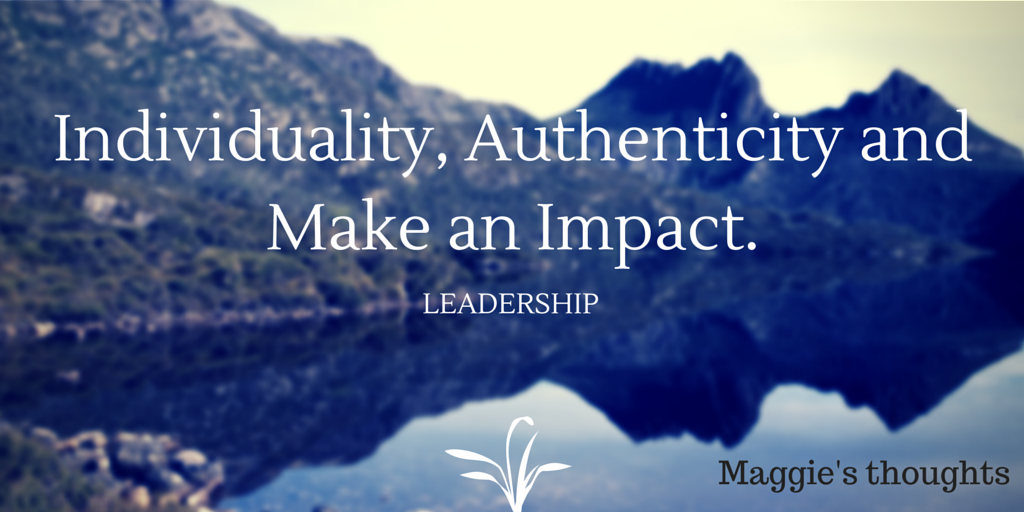
We were invited to write down - how we came to be here, all I could think is that I want to make a (positive) impact. After reading the response Michael Krawec mentioned how diverse the group was. What’s great about Leadership is that all leaders are diverse, I think what makes a great leader is individuality, authenticity and that they make an impact. This leads me to reflect that I want to be the type of leader that no one has met, however, I really am unsure of how that looks just yet.
Individuality, Authenticity and  make an.png

We were told that it is hoped that we:
  • feel supported
  • gain an understanding of the demands
  • have an awareness of Performance growth model
  • feel empowered to take control
  • engage a learning community that has a leadership focus
  • nurture relationship

I like that these things are hoped for the future leaders of the organisation I work for - really shows that they are forward thinking.

This video was then shared - Building a plane in the air - take off time on the incomplete plane
This is so true as a lot of us will take on a leadership role at a school that is already flying, there isn’t always a beginning point.

Great Leaders define what makes a leader!

We were asked to name a great leader and three qualities:
Sergey Brin (Google Founder)
  • supportive
  • enabler
  • visionary
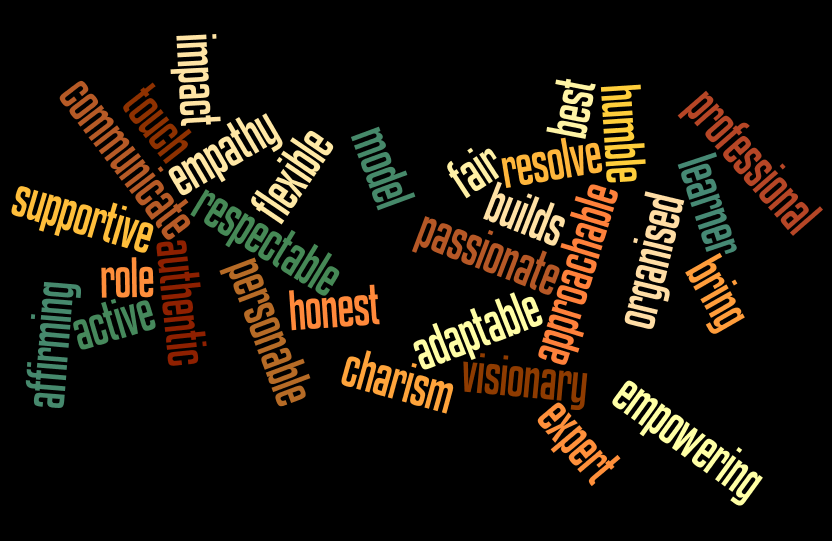
We then shared and these are the qualities we all shared-

Qualities of a good Leader
(As chosen by those that were present)
Screen Shot 2014-12-01 at 11.28.21 am.png

Michael continued with - The essential ingredient into a successful school was:
The Leadership

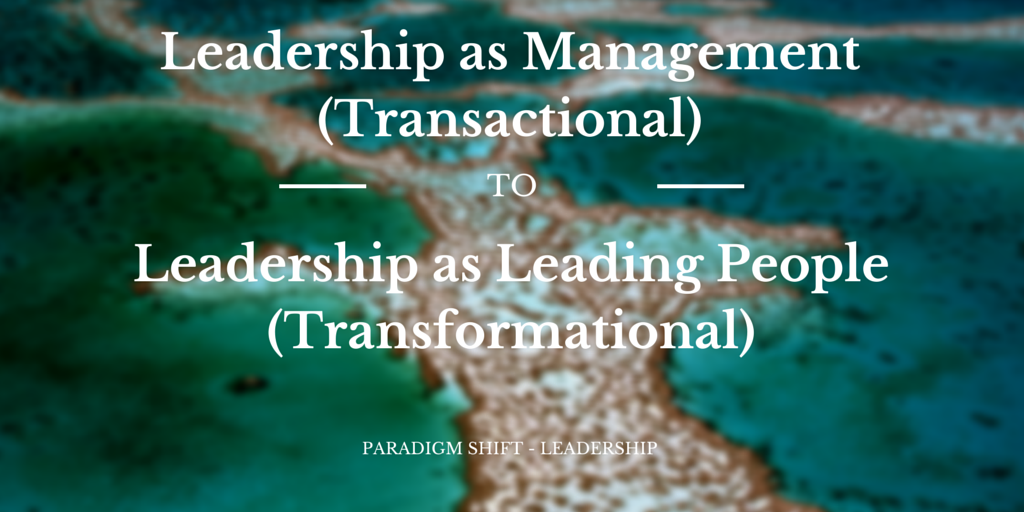
Distinction needs to be made between management and leadership.
WATER.png

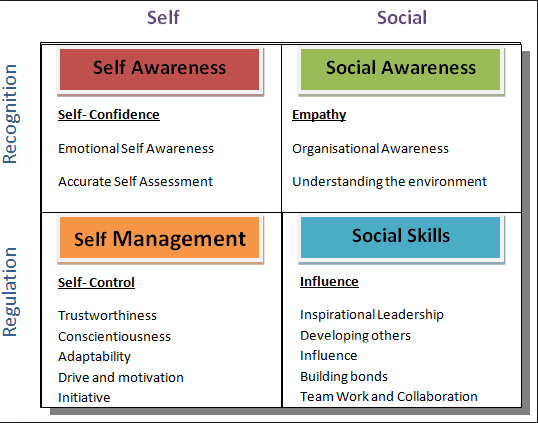
Finding the X factor - personal, interpersonal and social competence.

EMOTIONAL INTELLIGENCE
Screen Shot 2014-12-01 at 10.34.34 am.png


This Emotional Intelligence is an important point to me, I have seen leaders and people that have no awareness of how to treat people or respond to others. I have seen people in need and then leaders will not offer help. I have seen relationships in and out of schools require a lot more talking, understanding and awareness of a persons emotional needs. A trusting relationship is what is key - what needs to happen are things that build relationships - conversing, getting to know who your colleagues are.

Michael closed with The First Follower - Youtube Clip - a personal favourite video of mine.
A leader is an Enabler - The leader in the Flint and The First follower is the spark!
Be public be easy to follow!

I was left thinking ----> This little light of mine - I’m going to let it shine!

Session two “Know thy self”

Andrew Fraser then invited us to acknowledge what our purpose was, in various areas.
This is what stuck out for me in what my purpose is:
In school -
Students: Make a difference in the lives of the students in my presence: educate them, empower them, make them realise their potential, listen to them and their challenges.
Staff relationships: A positive, bubbly person on staff - I was once told that my smile has helped people some mornings.
Staff capacity: Enable those to use tools they think they cannot use, share information, resources and share ideas with staff and students
The School Community: Involvement, encouragement, greeting people, listening to people.

Andrew went on to discuss the importance of perception:
  • How you are in the room is how you are in the workplace.
  • How you are seen and how you are responded to.
  • Perception is important. How you are viewed.
I can’t help be think perceptions can change and the way we perceive others is not always the way they are.

We were invited to reflect upon the follow questions and then share. I invite you to also answer these questions in your own document.
Pathways to leadership - personal and professional aspirations and goals.

What strengths must I have to teach and lead well?

What do I want out of my work and life?

How do I want others to perceive me?

How do I want to act?

How do I want to be?

I do feel like I know myself, I am an extrovert but I am also a good listener. What can I do to let others know that I am a good listener and will actively listen to a need, a vent, a story or an idea?

Finally Andrew shared The Performance Growth in Action Model and he discussed the value of feedback.

We need feedback from all aspects, in all that you work and we need to be open to giving and receiving feedback. This year I gave my students an opportunity to write my report card as a teacher, I received a lot of positive feedback but they also gave me some areas that I need to work on.

People are doing things - many people do the same things but some do it differently.

Leadership is about Coaching, mentoring, feedback, who is your mentor, who’s feedback do you value most and why?

I look forward to seeking more feedback so that I can know more about how I am perceived and the person I am.

Session Three -  Standards, Higher levels and a community of learners

Roisin O’Reilly  began the afternoon session with:
The importance of peers - “Good teaching is a collective responsibility” Fullan & Hargreaves (2012).
Working in a peer community towards the higher levels of accreditation will help you in

  • Building an understanding of what constitutes Highly Accomplished and Lead Practice
  • Connecting purposefully around the professional standards for teachers
  • Motivating you towards improvement
  • Observing and critiquing each others practice
  • Giving and receiving feedback on practice
  • Building skills in self-reflection
  • Developing online and face to face connections

The afternoon session involved choosing a leadership scenario and making decisions as a team on how to address the challenge in the scenario.  We decided what action needed to take place and how it linked with the Australian Professional Standards for Teachers. It involved us in planning, discussing and working collaboratively to show how we will identify areas in need for improvement. We then needed to match what we will do with the appropriate leadership standard, followed by then identify the impact the action will have and what evidence is required - it was set out similar to the table below.

What will we do?
Standard
Impact
Evidence


It was a challenging task that had us really thinking about what standard will link to the action, there are some that cover more standards. It was really important to name a range of evidence to show the impact such as assessment results, observations and student voice - which I like in the form of blogging.
This activity gave us the opportunity to really familiarise ourselves with the teaching standards while naming the required proof to show change or result.This activity made me realise the importance of collaboration, making a difference and then being able to show exactly what has happened and the difference it has made. A challenging but enjoyable task with many insights.

In summary, my main takeaways from the day were the importance of relationships, awareness of others, knowledge of self, the importance of feedback and to be able to show hard evidence of the impact of your leadership. A great day that inspired, informed, affirmed and challenged. Stay tuned for my journey as a leader.